Why Ceremony Music Matters More Than You Might Think
Ceremony music often gets less planning attention than reception entertainment, largely because it plays for a shorter window of time. But that shorter window carries a lot of emotional weight, covering some of the most significant moments of the entire wedding day, including the processional, the vows, and the first walk back down the aisle as a married couple.
The music playing as guests are seated does more than fill silence; it signals that the ceremony is about to begin and helps set expectations for the tone of the event, whether that's formal and traditional or more relaxed and personal. This prelude period is often underestimated, but it's the first real chance to establish the mood before the more emotionally significant processional moment arrives.
Ceremony music also directly shapes how the processional feels for everyone involved, including the couple themselves. A well-chosen song can help calm nerves, build anticipation, or simply give the moment a sense of occasion that silence or an awkward pause wouldn't provide. For many couples, the processional song remains one of the most memorable audio moments of the entire day.
Beyond the emotional impact, ceremony music also affects logistics. The length of your processional song needs to roughly match how long it actually takes your wedding party to walk down the aisle, which is a detail that's easy to overlook until a rehearsal reveals the song ends well before everyone reaches the front, or drags on awkwardly after they've already arrived.
For Toronto weddings specifically, ceremony music also has to account for venue acoustics and space, since outdoor GTA locations and indoor halls each present different sound challenges. Getting this right generally requires either experienced musicians familiar with adapting to different spaces or careful advance planning with your sound and venue team.
The Different Parts of Ceremony Music Explained
Most wedding ceremonies break down into a handful of distinct musical moments, starting with the prelude. This is the music that plays as guests arrive and are seated, typically lasting somewhere between fifteen and thirty minutes depending on your guest count and venue logistics. Prelude music tends to be softer and more ambient, setting a welcoming tone without demanding full attention.
The processional follows, marking the entrance of the wedding party and eventually the couple themselves. This is often broken into two parts: one song, or a distinct section of a longer piece, for the wedding party's entrance, and a second, often more significant piece specifically for the couple's own entrance. Many couples choose to make this second moment feel distinct from the rest of the ceremony's music.
During the ceremony itself, some couples include a musical interlude, particularly during moments like a unity ceremony, candle lighting, or signing of the register if applicable. This isn't required, but it can add a meaningful pause in the ceremony's pacing, giving guests a moment to reflect while a specific piece of music plays softly in the background.
The recessional marks the couple's exit as newlyweds, and it's typically the most celebratory piece of ceremony music, often more upbeat than anything that came before it. This is the point where many couples choose a livelier, more joyful song to reflect the shift in mood from the solemnity of vows to full celebration mode as they head into cocktail hour.
Finally, some ceremonies include a short piece of postlude music as guests exit their seats and transition toward cocktail hour. This is a smaller detail that not every couple plans for specifically, but it can help smooth the transition, particularly at venues where the ceremony and cocktail hour spaces are close together or overlapping.
Choosing Music for Each Moment of the Ceremony
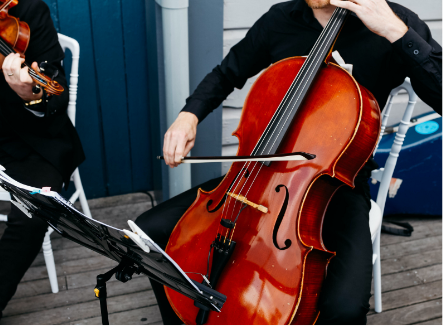
When choosing prelude music, think about creating a welcoming, unobtrusive atmosphere rather than picking songs meant to stand out. Acoustic instrumental pieces, whether performed live by a solo musician or a small ensemble, tend to work particularly well here, since guests are still settling in and casual conversation is still happening as they find their seats.
For the processional, many couples choose a piece with a clear, steady tempo that's comfortable to walk to, since matching pace to music is genuinely important during this moment. It's worth practicing the actual walk with the chosen song during a rehearsal, since songs that sound great when simply listening to them can feel awkward at actual walking pace down an aisle.
The couple's own entrance music is often chosen separately from the rest of the wedding party's processional song, giving this specific moment its own distinct feel. Some couples choose something more emotionally significant here, reflecting either a personally meaningful song or simply a piece that feels appropriately momentous for the bride, groom, or couple's entrance.
If you're including a moment like a unity ceremony or ring exchange with dedicated music, choose something that can play softly in the background without overwhelming any spoken elements happening at the same time. Instrumental versions of meaningful songs often work well here, allowing the moment's significance to come through without competing vocals pulling attention away from what's happening.
Recessional music should generally shift the mood toward celebration, since this moment marks the official start of married life and the transition into a more festive part of the day. Many couples choose something upbeat, sometimes even a full band arrangement if their ceremony musicians are able to shift into a livelier sound for this specific transition.
Live Musicians vs. Recorded Music for Your Ceremony
Live ceremony musicians bring a level of adaptability that recorded music simply can't match. If your processional needs to be shortened or extended based on how the wedding party's walk is actually going, live musicians can adjust in real time, while a pre-recorded track runs its fixed length regardless of what's happening in the room at that moment.
Sound quality also differs meaningfully between the two options. Live musicians, particularly those experienced with outdoor GTA venues or acoustically tricky indoor spaces, generally know how to project and balance their sound appropriately for the specific room or setting, whereas recorded music depends heavily on the venue's existing speaker setup, which isn't always well suited to ceremony spaces.
Recorded music does offer some practical advantages, particularly around cost and simplicity, since it doesn't require booking a separate act specifically for the ceremony. For couples with a tighter overall budget, or those already working with a band that only performs starting at cocktail hour or the reception, recorded ceremony music remains a reasonably common and practical choice.
Some couples choose a hybrid approach, using live musicians for the processional and recessional while relying on a curated recorded playlist for the quieter prelude period as guests are seated. This can be a practical way to balance the emotional impact of live music during the ceremony's most significant moments with a more budget-conscious overall approach to ceremony entertainment.
Ultimately, the choice between live and recorded ceremony music often comes down to priorities around budget, venue acoustics, and how much personalization matters to the couple. Neither option is inherently better, but it's worth understanding the trade-offs clearly rather than defaulting to whichever choice happens to be more convenient without weighing them directly.
Popular Songs and Styles for Toronto Ceremonies
Classical and traditional pieces remain a common choice for more formal Toronto ceremonies, particularly for the processional moment. These pieces carry a sense of timeless elegance that many couples find fitting for a significant, formal occasion, and they're often well suited to arrangement by a string ensemble or solo instrumentalist.
Contemporary instrumental versions of popular songs have become increasingly common as well, giving couples a way to incorporate music that feels personally meaningful without relying on vocals during the ceremony itself. A skilled musician or small ensemble can often arrange a modern pop or R&B song into an instrumental version that still carries the song's emotional weight.
Some couples choose to include vocal performances during specific ceremony moments, particularly during a unity ceremony or as a special addition during the processional itself. This requires coordinating with a vocalist comfortable performing in a ceremony setting, which is generally a smaller, quieter performance context than a full reception set.
For recessional music, upbeat contemporary songs have grown in popularity as couples move away from strictly traditional recessional pieces in favor of something that better reflects their own musical taste and the celebratory mood they want as they exit the ceremony. This is often where couples feel most comfortable choosing something with more personality and less formality.
Toronto's diverse population also means ceremony music increasingly draws from a wide range of cultural traditions, sometimes blending classical Western pieces with music reflecting a couple's specific heritage. Musicians experienced with this kind of blended programming can be a valuable resource for couples wanting their ceremony music to reflect more than one cultural tradition.
Outdoor vs. Indoor Ceremony Music Considerations
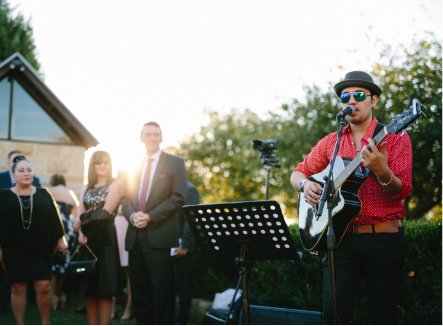
Outdoor ceremonies across the GTA come with specific logistical challenges that indoor venues generally don't face. Wind, ambient outdoor noise, and the lack of built-in acoustics mean outdoor ceremony music typically requires amplification or instruments that project well naturally, which is worth discussing directly with any musicians you're considering booking for an outdoor setting.
Power access is another practical consideration for outdoor ceremonies, particularly for musicians using any amplified equipment. Many outdoor GTA venues have limited or no readily available power sources near the ceremony area, so it's worth confirming this detail early and discussing backup options, such as battery-powered equipment, with your musicians ahead of the wedding day.
Indoor ceremonies, by contrast, generally benefit from more predictable acoustics, though this varies significantly depending on the specific venue. A large, echo-heavy hall presents different challenges than a smaller, more intimate room, and experienced ceremony musicians typically know how to adjust their performance style to suit these different acoustic environments.
Weather contingency planning matters specifically for outdoor ceremonies, since a shift to an indoor backup location can affect everything from where musicians are positioned to how their sound projects in the new space. It's worth having a brief conversation with your musicians about how they'd handle a last-minute venue change, particularly for weddings planned during Toronto's less predictable weather months.
Regardless of setting, it's worth visiting or at least discussing your specific ceremony space directly with your chosen musicians ahead of time. Experienced Toronto wedding musicians who've performed at a range of GTA venues generally have a good sense of how to adapt to different spaces, but a direct conversation about your specific location helps avoid surprises on the actual wedding day.
Working with Musicians: Planning and Logistics
Booking ceremony musicians separately from reception entertainment is common, particularly since not every wedding band also performs ceremony music. It's worth clarifying early in your vendor search whether a prospective band or musician covers ceremony music specifically, or whether you'll need to book a separate act for that portion of the day.
Timeline coordination is one of the more important logistical details to sort out with your ceremony musicians. This includes confirming arrival and setup time, how long the prelude period should run based on your guest count, and clear cues for when the processional should begin, ideally coordinated directly with your officiant or planner.
Song selection should generally be finalized a few weeks before the wedding at the latest, giving musicians enough time to prepare or arrange any specific requests properly. If you're requesting a custom instrumental arrangement of a particular song, it's worth reaching out even earlier, since more involved arrangement work naturally takes additional preparation time.
A brief rehearsal, even an informal one, can be valuable for making sure the processional song's length actually matches your wedding party's walking pace. This doesn't need to involve your full musicians if that's not practical, but even a basic walkthrough with recorded reference audio can help avoid awkward pacing surprises during the actual ceremony.
Finally, it's worth discussing contingency plans directly with your ceremony musicians, covering scenarios like a delayed start time, a last-minute change in ceremony location due to weather, or an unexpected need to extend the prelude period if guests are running late. Experienced Toronto wedding musicians generally handle these adjustments smoothly, but having the conversation ahead of time avoids unnecessary stress on the day itself.