What's Typically Included in a Wedding Music Package
Most wedding music packages are built around a defined performance length, often covering several hours of live entertainment. This baseline usually includes the reception, since that's typically the portion of the day requiring the most sustained musical energy, though many packages can be extended to cover ceremony or cocktail hour as well.
Sound equipment is another common inclusion, since professional bands typically bring their own speakers, microphones, and mixing equipment calibrated for live performance. This matters because venue acoustics vary considerably across Toronto, and having equipment suited to live music helps ensure consistent sound quality throughout the event.
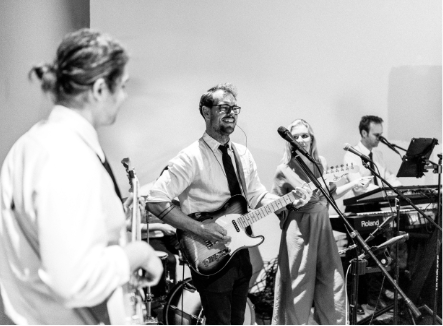
Band size is usually a defining factor in how packages are structured. Smaller ensembles tend to come at a different price point than larger groups with additional vocalists or instrumentalists, and many providers offer tiered packages that let couples choose based on their venue size, guest count, and desired sound.
Some packages include additional services like MC duties, where band members handle announcements for key moments such as entrances, speeches, or the first dance. This can reduce the need for a separate host and helps keep transitions smooth throughout the reception, since the same team managing the music also manages the pacing of these moments.
Travel and setup logistics are also typically factored into package structures, particularly for venues outside the immediate downtown core. Couples planning weddings across the wider GTA should confirm whether travel is included or billed separately, since this can vary depending on the specific location and distance involved.
How Package Pricing Structures Typically Work
Wedding music package pricing generally reflects a combination of factors rather than a single flat rate. Band size is one of the most significant variables, since more musicians typically mean higher overall costs due to the additional performers, equipment, and coordination involved in a larger live performance.
Performance duration also plays a meaningful role in how packages are priced. A package covering only the reception will usually differ in cost from one that also includes ceremony or cocktail hour music, since this requires additional setup time, potentially different instrumentation, and a longer overall commitment from the performers.
Some providers offer tiered packages that bundle specific inclusions together, such as a base reception package versus an expanded package that adds ceremony coverage or additional hours. This tiered approach allows couples to choose based on what portions of their day actually require live music, rather than paying for coverage they don't need.
Add-ons are another common part of package pricing, covering things like extended performance time, additional musicians for specific songs, or specialized equipment requests. It's worth asking providers directly what falls under a base package versus what would be considered an add-on, since this varies between different wedding entertainment providers.
Rather than assuming all packages are structured identically, couples should request detailed quotes from any bands they're considering. This makes it easier to compare like-for-like options and understand exactly what's included before making a final decision on live wedding entertainment for their Toronto celebration.
Comparing Package Options for Different Portions of Your Wedding Day
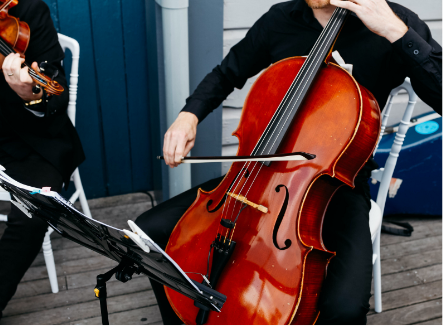
Ceremony music packages are often structured differently from reception packages, largely due to the shorter performance window and typically more stripped-down instrumentation. Couples who want live music for their ceremony should confirm whether this is included in a broader package or offered as a separate add-on, since providers handle this differently.
Cocktail hour coverage is another area where package structures vary. Some bands offer a scaled-down ensemble for this portion of the day, providing background music that complements conversation without requiring the full lineup used later for the reception. This flexibility can help manage costs while still incorporating live music throughout more of the day.
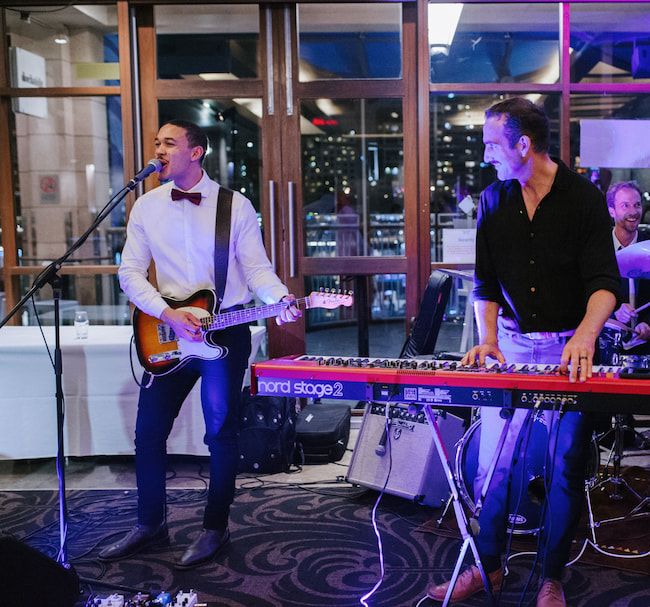
Reception packages tend to be the most comprehensive, often covering the longest continuous stretch of performance time. Because this portion of the day includes dinner, speeches, and dancing, reception-focused packages usually account for pacing across multiple distinct segments, from background music during the meal to a full dance set later in the evening.
Some couples opt for full-day packages that bundle ceremony, cocktail hour, and reception coverage into a single arrangement. This approach can simplify planning and coordination, since the same band handles the entire musical arc of the day, though it typically represents a larger overall commitment compared to reception-only packages.
When comparing package options, it's worth thinking through which portions of your day genuinely benefit from live music versus recorded alternatives. Some couples prioritize live music specifically for the reception, while others want continuity across the entire day. Clarifying this early helps narrow down which package structure makes the most sense.
Questions to Ask When Comparing Wedding Music Packages
Before comparing quotes from different Toronto wedding bands, it helps to have a clear list of questions ready. Start by asking exactly what performance length is included and whether that covers setup and breakdown time separately, since this affects how much actual playing time you're getting for your investment.
It's also worth asking about repertoire flexibility within a given package. Some bands include a set amount of song customization or learning new songs at no additional cost, while others may charge extra for specific requests outside their existing repertoire. Clarifying this upfront helps avoid surprises closer to your wedding date.
Equipment and technical requirements deserve attention as well. Ask whether the package includes full sound equipment suited to your venue size, or whether additional rental equipment might be needed. This is particularly relevant for larger Toronto venues or outdoor ceremony spaces where acoustics can be more challenging.
Cancellation and rescheduling policies are another important area to clarify, especially given how far in advance many couples book their entertainment. Understanding what happens in the event of a date change or unexpected circumstance helps set clear expectations before signing any agreement.
Finally, ask how the band handles overtime if your event runs longer than planned. Wedding days rarely go exactly according to schedule, and knowing whether extended performance time is available, and at what cost, helps you plan more realistically for how the evening might unfold.
Balancing Budget and Entertainment Priorities
Wedding budgets involve balancing many competing priorities, and entertainment is often one of the more emotionally significant line items for couples. Rather than approaching music packages purely from a cost-minimization standpoint, it can help to think about which portions of the day matter most to you in terms of live performance versus other entertainment options.
Some couples choose to invest more heavily in reception entertainment, since this is typically the longest and most active portion of the wedding day. Others prefer spreading their entertainment budget more evenly across ceremony, cocktail hour, and reception, prioritizing continuity of live music throughout the entire event.
It's also worth considering how entertainment choices interact with other aspects of your wedding budget. A smaller band package might free up funds for other priorities, while a larger, more comprehensive package might reduce the need for additional entertainment elements elsewhere in your planning.
Comparing multiple providers can help clarify what's realistic within your budget range. Rather than assuming all wedding bands charge similarly, requesting detailed quotes from a few different options gives you a clearer sense of the market and helps identify which package structures align with your priorities.
Ultimately, the right package isn't necessarily the most expensive or the most extensive option, but the one that aligns with your specific vision for the day. Some couples prioritize a full-day live music experience, while others simply want strong reception entertainment. Both approaches are valid, and clarity on your own priorities makes the comparison process much easier.
What to Expect During the Booking Process
Once you've narrowed down your options, the booking process for wedding music typically starts with an initial conversation covering your date, venue, guest count, and general vision for the day. This helps the band understand your specific needs and provide an accurate package recommendation rather than a generic quote.
Many providers offer a consultation call or meeting to walk through package details, discuss song preferences, and clarify logistics like setup requirements and performance timing. This is a good opportunity to ask detailed questions and get a sense of how the band communicates and collaborates with couples throughout the planning process.
Contracts typically outline performance length, included services, payment terms, and cancellation policies. Reviewing this document carefully before signing helps ensure there's mutual clarity on what's included in your specific package, reducing the chance of misunderstandings as your wedding date approaches.
As the wedding date gets closer, most bands request a detailed timeline and any specific song requests, particularly for key moments like the first dance or entrances. Providing this information well in advance gives musicians time to prepare arrangements and coordinate transitions smoothly throughout the day.
Finally, many providers offer a final check-in shortly before the wedding to confirm details like arrival time, venue logistics, and any last-minute changes to the schedule. This step helps ensure everyone involved, from the band to the venue coordinator, is aligned heading into the wedding day itself.
Why Package Details Matter for a Smooth Wedding Day
Understanding the specifics of your wedding music package matters well beyond simply knowing the price. Clear expectations around performance length, inclusions, and logistics help prevent miscommunication on the day itself, which is particularly important given how many moving parts a wedding typically involves.
Knowing exactly what equipment and setup requirements are included allows you to coordinate more effectively with your venue, ensuring there's adequate space, power access, and time allotted for the band to prepare before guests arrive. This kind of coordination often falls to couples or their planners, so having clear package details simplifies that process considerably.
Package clarity also helps with budgeting beyond the initial booking. Understanding what counts as an add-on, whether that's extended performance time, additional musicians, or specific song requests, helps couples avoid unexpected costs closer to the wedding date, when budgets are often already stretched across multiple vendors.
For couples working with wedding planners, having detailed package information also streamlines communication between vendors. Planners can coordinate more effectively when they understand exactly what the entertainment provider is responsible for, from technical setup to specific performance timing throughout the day.
Ultimately, a well-understood package contributes to a smoother overall experience, both during planning and on the wedding day itself. Taking the time to clarify these details upfront, rather than assuming standard inclusions across every provider, helps set the foundation for entertainment that genuinely matches your expectations for your Toronto wedding.